plants


Updated.

Click here or on the picture below to see more.
Updated.

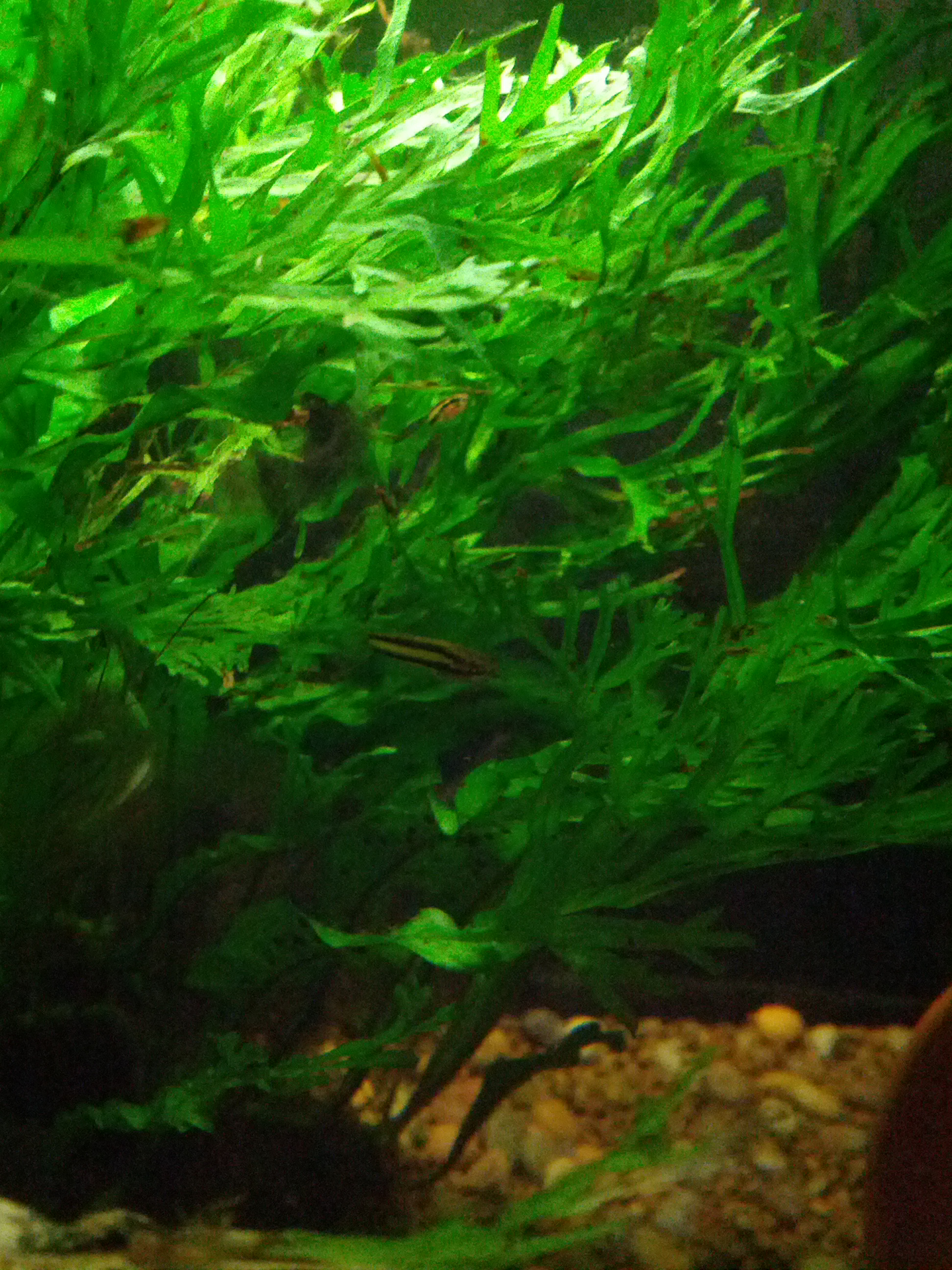
I just put up a new project page to document some work on a brackish water Southeast Asian mangrove biotope-ish aquarium.  It’ll always be available from the ‘Pages’ section in the right margin (way down). Not sure how I’ll indicate updates - maybe just more miniposts like this…

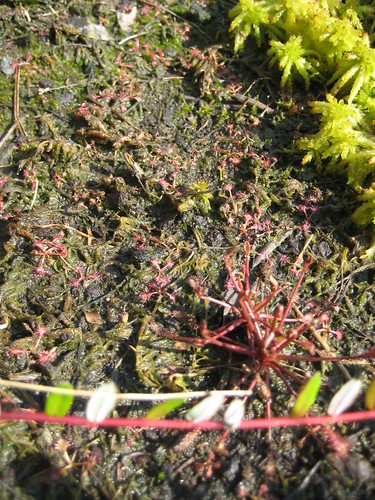
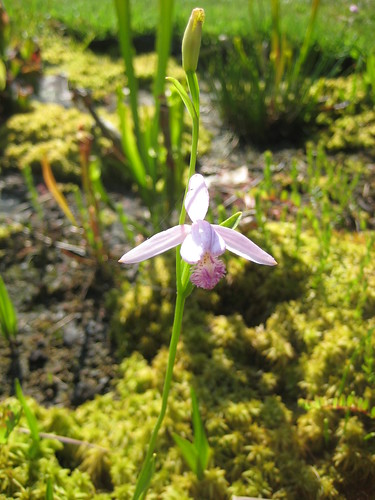
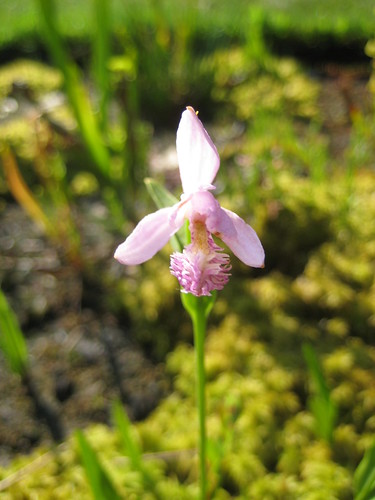
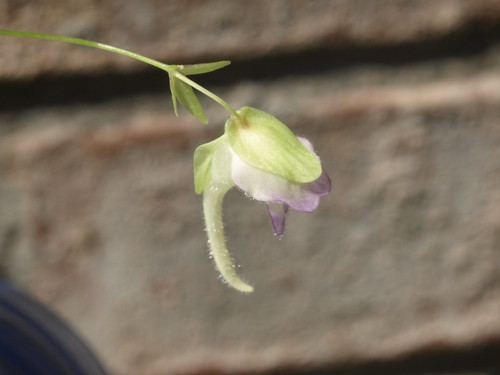
One of my epiphytic utrics is blooming:

*

Just opening in the morning light.

*

The reason for the species name (nelumbifolia).

*

Utrics (bladderworts) are fascinating plants - adaptable (alpine to tropical, aquatic, terrestrial, epiphytes, lithophytes), active carnivores with beautiful flowers. I have two epiphytes - nelumbifolia and humboldtii. The humboldtii is growing like mad; I’m hoping I can get a large division to trade for another epiphyte I covet - U. jamesoniana (picture of flower here). Here’s the U. humboldtii:

*

Keep your fingers crossed for me - maybe I can even get a flower out of it…

Tippitiwitchet (n):

*

var. Dente

A tip of the hat to Lord Whimsy.

My P. caudatum has been in spike for weeks now. The wait is over - the first bud is opening. I’ll be continuing to post pictures to my caudatum Flickrset - if you’re interested, check back in as the season progresses.

It’s easy to forget that when you look at a daisy, you’re looking at the plant’s reproductive organs - the naughty bits. Not so easy to forget about when you look at orchids, though.

*

I went to the NH Orchid Society’s 2008 show this morning. Beaucoup fun. It was nice to see one of my favorite genera - Phragmipedium - well represented, and a genus I’m warming to rapidly - Paphiopedilum - with a big hybrid and species presence. I have to admit that when it comes to orchids, I prefer species over hybrids.

*

It seemed like one vendor just stepped off the pages of Orchid Fever. He had Paphiopedilum sanderianum and Chinese cymbidiums, both of which figure in the book, and has recently gone through all the assorted fun and paperwork involved with importing the first Phrag. kovachii into the country. I bought a Paph. venustum from him - someday, a sanderianum for me.

*

Lots more photos on Flickr - click here to go to the set.

Popped over to my favorite local greenhouse to pick up some Pothos for the phasmids and while I was there took a couple pictures of some hybrid Phragmipediums. They also had some nice bell jars - maybe in a month or two…

*

Some semi-random thoughts/impressions after finishing 1491:

  • Jared Diamond’s Guns, Germs and Steel might be better titled Germs, Germs, Germs and Some Other Ancillary Stuff - at least as far as the New World is concerned. If 1491 is accurate in it’s depiction of the depopulation of the Americas as a result of smallpox and friends, the technological advantage enjoyed by Europeans is almost beside the point. One also wonders how a full-strength local population would have held up against a tiny force (the conquistadors) with superior firepower, but incredibly long and tenuous supply lines. Logistics, logistics, logistics.
  • Still with the Diamond comparo - 1491 gives a much different impression when it comes to food crops. If grains are the only thing compared, then the Old World wins big time - wheat, barley, rice, oats, rye vs. corn (maize) and quinoa. It would be interesting (I’m sure someone has already done it) to compare the caloric and protein output of milpas, medieval European farms, Andean potato plots, etc. and see if Diamond’s suggested European advantage exists.
  • Passenger pigeons. I’m leaving this as a teaser - fascinating… (Or you can click here - a post from before a personal 1492: my discovery of Querencia. In fact, searching Q for ‘1491′ - not a bad idea.)

My two biggest takeaways from the book are, first, how deeply rooted and deeply wrong the popular image of the Indian - and pre-Columbian America - is and, second, how much permaculture went on in the Americas, especially in the Amazon basin. If you haven’t read it - highly recommended.

Next Page »